
ROI of Branded Merchandise UK | Measurable Results from Corporate Gifts
Why Measuring Branded Merchandise Matters More Than Ever
In the past, branded products were often seen as “nice to have” extras—handouts with little accountability. But today’s businesses expect ROI from branded merchandise just as they do from digital campaigns or paid ads. The good news? With the right strategy, your corporate promotional products can deliver measurable returns in brand visibility, lead generation, and customer retention.
At Drayton, we help businesses across the UK transform branded products into performance-driven assets. When designed, distributed, and tracked strategically, every engraved pen, custom printed notebook, or eco promotional bottle becomes part of a broader marketing ecosystem—one that drives both tangible results and long-term brand equity.
Defining ROI for Branded Merchandise
ROI (Return on Investment) is typically defined as revenue or value generated divided by total spend. But with merchandise, success isn’t always about direct sales—it’s about the brand impact and measurable outcomes your campaign achieves. For most B2B organisations, ROI is tracked in three areas:
- Awareness ROI: How many impressions your branded items generate (visibility at events, daily use by clients, social shares).
- Engagement ROI: How many qualified leads, meetings, or demos your merchandise drives.
- Loyalty ROI: The long-term relationships or repeat orders strengthened through corporate gifting.
Step 1: Start with Strategy, Not Swag
The biggest mistake companies make is treating merchandise as an afterthought. Successful campaigns start with a clear objective—whether it’s nurturing existing clients, acquiring new ones, or driving internal engagement. Define what “success” looks like before ordering a single product.
Ask yourself:
- Who will receive the merchandise?
- What action do I want them to take after receiving it?
- How will I measure that action?
From there, you can assign KPIs such as number of qualified leads, meeting bookings, social engagement, or customer retention rate. This ensures every branded product serves a specific purpose within your marketing funnel.
Step 2: Choose the Right Products for the Right Audience
ROI improves dramatically when merchandise aligns with audience needs. For example:
- Decision-makers: Premium engraved pens, bottles, or notebooks that convey professionalism and value.
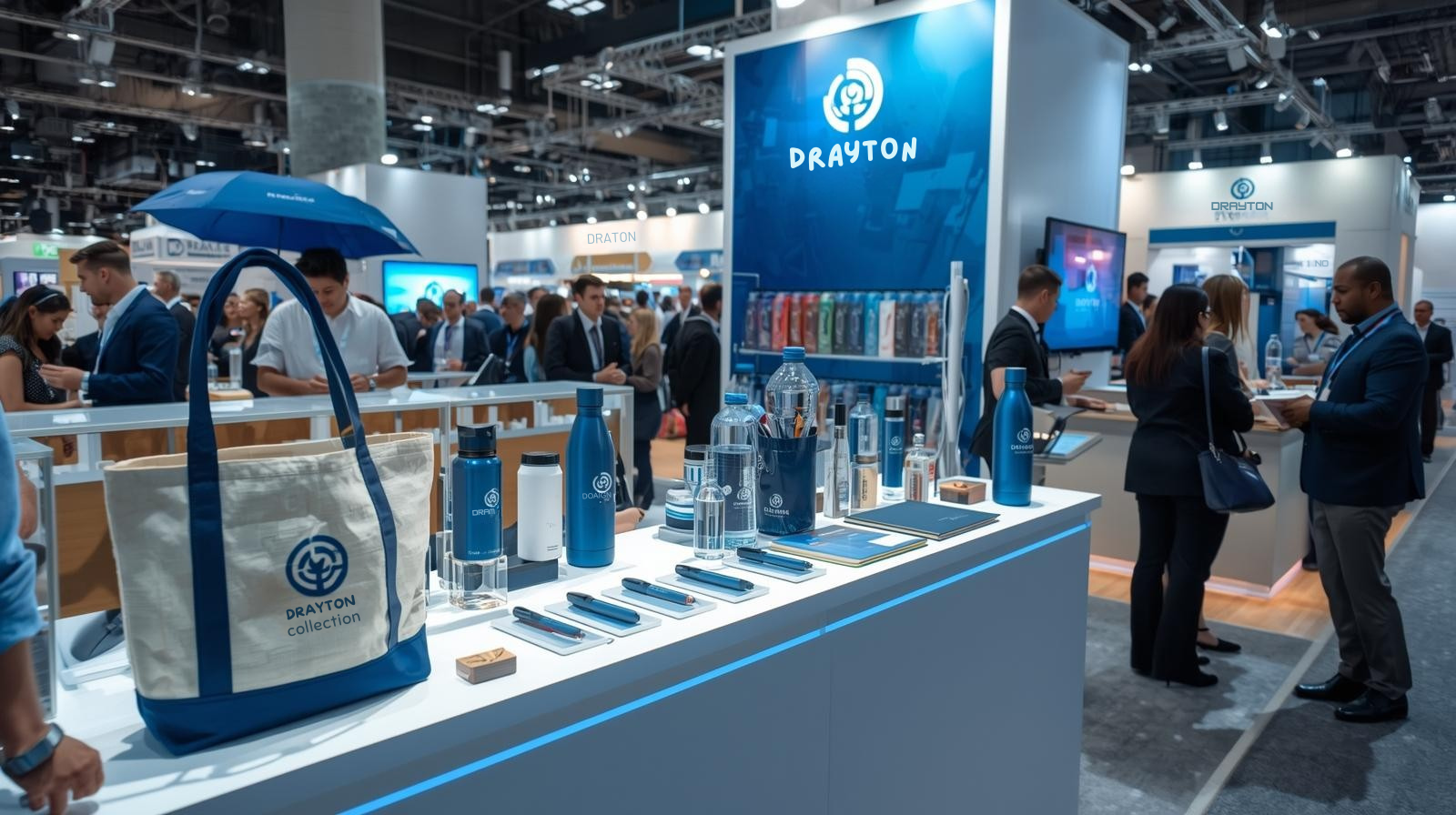
- Trade show visitors: Reusable tote bags and eco giveaways that maximise visibility.
- Employees: Branded apparel and drinkware that foster engagement and consistency.
Drayton’s range of corporate promotional products UK covers every category—from eco-friendly giveaways to high-end client gifts—produced in-house with precision branding for maximum ROI.
Step 3: Design for Longevity and Everyday Use
Think beyond one-time exposure. A laser engraved water bottle or UV printed notebook that becomes part of someone’s daily routine provides hundreds of brand impressions per month—far outperforming fleeting ads. Prioritise functionality, durability, and design quality to extend the life and visibility of your merchandise.
Step 4: Integrate Merchandise into Campaigns
Branded items should never exist in isolation. Tie them into your larger marketing activities:
- Direct mail campaigns: Send a branded notebook with a QR code to book a meeting.
- Event follow-ups: Thank attendees with a custom gift pack reinforcing your brand message.
- Digital alignment: Use consistent colours, slogans, and artwork between online campaigns and physical products.
This synergy reinforces recall and boosts conversion rates—especially when every touchpoint tells the same story.
Step 5: Measure What Matters
Unlike digital ads, merchandise ROI requires a hybrid measurement approach combining both quantitative and qualitative data:
- Quantitative metrics: lead conversions, event scans, QR activations, referral traffic.
- Qualitative metrics: feedback, retention sentiment, and relationship quality over time.
Consider using unique landing pages, trackable discount codes, or QR-linked surveys to directly associate merchandise distribution with downstream activity.
Step 6: Don’t Forget Internal ROI
Many companies overlook the ROI of internal branding. When employees receive branded onboarding kits or high-quality corporate apparel, engagement and retention improve. Internal pride directly influences customer-facing quality—and that’s ROI few spreadsheets can capture.
Case Example: Measuring ROI from an Event Campaign
A UK tech company partnered with Drayton for a product launch event. They invested in premium gift packs for 200 invited guests, including engraved bottles and notebooks. Each item featured a QR code linking to a demo booking page.
Results after two weeks:
- 38% QR engagement rate
- 27 new qualified leads booked
- 8 closed deals within one quarter
ROI: 420% revenue return on merchandise cost—achieved through intentional design, quality product selection, and integrated tracking.
Why Drayton?
Drayton combines creative consultancy with in-house laser engraving, UV printing, and embroidery to help businesses treat merchandise as a performance-driven investment. We focus on strategy, not volume—helping brands measure, analyse, and optimise the real impact of their campaigns.
Turn Branded Merchandise into Business Growth
It’s time to elevate your approach to corporate merchandise. Every item can serve a measurable purpose—from driving awareness to deepening loyalty. Let Drayton help you design campaigns that not only look good but deliver lasting results.
Explore Branding Strategy Speak to an Expert


Leave a comment
This site is protected by hCaptcha and the hCaptcha Privacy Policy and Terms of Service apply.